Textile Circularity in UK Communities: Swaps, Mending, and Local Resale

Today we explore Textile Circularity at the Community Scale—clothing swaps, mending hubs, and local resale across the UK—showcasing how neighbours transform wardrobes, cut waste, and build pride through practical, joyful action. From village halls to city markets, shared skills and generous closets keep garments in use longer. Expect step‑by‑step guidance, real anecdotes, and easy wins to launch or strengthen your own initiative, while connecting with people who care about affordability, creativity, and a healthier planet.

Why Community Circularity Matters in the UK

Across the UK, wardrobes overflow while budgets tighten, making community‑led circular practices both timely and empowering. Swaps, repair nights, and local resale offer affordable style, skill‑building, and climate benefits without sacrificing individuality. They also create welcoming spaces where conversation, laughter, and practical generosity lower barriers to participation. As garments circulate, confidence grows, social ties strengthen, and neighbourhoods gain resilience. Join in, share your story, and help normalise choices that feel good, look great, and reduce waste together, one well‑loved garment at a time.

From Fast Fashion to Shared Wardrobes

Many of us own pieces worn once and forgotten. Shared wardrobes—born through well‑run swaps and lending corners—turn that unused potential into everyday joy. When a jacket finds a second life locally, the story travels with it, inspiring others to bring items back into circulation. People discover new styles without spending, and confidence replaces guilt. The result is less pressure to buy quickly, more space to experiment thoughtfully, and a culture that celebrates creativity over constant consumption.

The Cost‑of‑Living Link

Community circularity directly supports households navigating higher costs. Swaps remove price tags entirely, mending hubs extend a garment’s life for pennies, and resale channels offer quality at approachable prices. Parents can upsize children’s wardrobes seasonally without stress. Students can refresh looks ethically before interviews. These spaces also reduce stigma by making participation feel aspirational, not second‑best. When neighbours share abundance rather than compete for bargains, savings stretch further, and dignity thrives through thoughtful, supportive, beautifully organised experiences anyone can enjoy.

How to Host a Clothing Swap That People Love

A memorable swap feels like a party, a boutique, and a reunion rolled into one. Clear guidelines, cheerful hosts, and thoughtful curation help garments move gracefully into new hands. Consider accessibility, inclusive sizing, and friendly signage so newcomers feel instantly welcome. Use simple tickets or colour codes to keep things fair without fuss. Add music, mirrors, repair advice, and a donation plan for leftover items. Share before‑and‑after photos, thank volunteers loudly, and invite feedback so the next event becomes even more vibrant and inclusive.

Building a Volunteer Crew

Seek a mix of patient sewists, welcoming hosts, and logistics minds. Offer short, fun practice sessions so volunteers align on safety, inclusivity, and tone. Provide role cards—triage, tutoring, tools, and tea—to reduce confusion and burnout. Celebrate small wins, like a perfectly reattached button or a saved zip, because tiny triumphs keep energy high. Encourage shadowing for new helpers, rotate responsibilities gently, and maintain a shared resource list. A resilient team grows from kindness, clarity, feedback, and visible appreciation every single session.

Teaching Repair with Joy

Break skills into tiny, confidence‑building steps: threading needles, securing knots, simple running stitches, then decorative sashiko or darning. Demonstrate slowly, place materials within reach, and praise progress rather than perfection. Share sample garments for practice before touching sentimental clothing. Offer printouts with diagrams and QR links to trusted tutorials. Host themed nights—jeans repair, knitwear rescue, or coat care—to focus attention. When learning feels playful and supported, guests return with friends, spread mending culture at home, and treat repair as a cherished creative ritual.

Data, Funding, and Continuity

Sustainable hubs track outcomes without drowning in spreadsheets. Count sessions, rough garment saves, volunteer hours, and repeat attendance to demonstrate traction. Use photos, short quotes, and consented case studies for funders and councils. Modest grants can cover needles, thread, machine servicing, and accessible signage. Consider pay‑what‑you‑can jars while ensuring free entry remains protected. Publish a light calendar, pilot partnerships with libraries or community centres, and evaluate quarterly. Reliable rhythms, transparent goals, and warm stewardship transform a good idea into a lasting neighbourhood asset.

Local Resale: Charity Shops, Markets, and Platforms

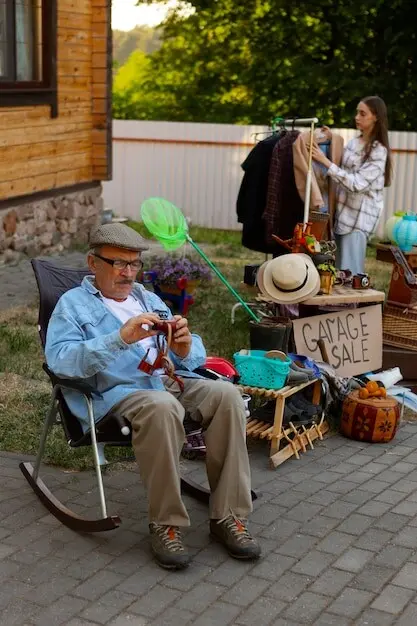
The UK’s resale ecosystem blends beloved charity shops, lively markets, car boots, and digital platforms. Clear sorting, gentle laundering, and accurate descriptions protect trust. Ethical pricing keeps quality accessible while funding community missions. Weekend pop‑ups enliven high streets and showcase curated capsules from volunteers and micro‑sellers. Add repair stations to upgrade value on the spot. Transparency around origins and care instructions helps buyers cherish pieces longer. When secondhand feels contemporary, dignified, and fun, demand grows, waste falls, and neighbourhood economies rediscover steady, people‑powered momentum.

Mapping and Calendars

Start with a neighbourhood map showing collection points, event venues, and partner shops. Overlay monthly schedules so people can plan drops and visits alongside daily life. Mark accessible entrances, parking, bus routes, and bike racks. Build consistency—first Saturday swaps, mid‑month mending—so participation becomes a habit. Encourage cross‑promotion among partners using shared templates. When logistics are visible and predictable, turnout stabilises, volunteer time stretches further, and circular flows feel like a friendly, reliable service woven seamlessly into community rhythm and local pride.

Equity and Inclusion

Design experiences that affirm every body, budget, and background. Provide inclusive sizing, private changing options, and culturally considerate guidelines around modesty and garment types. Offer multilingual signage where helpful and invite co‑hosting from underrepresented groups. Keep events free, with optional donations that never gatekeep. Consider travel stipends for volunteers on low incomes and wheelchair‑friendly layouts throughout. Equity is proactive hospitality that removes friction before it appears, ensuring the joy of choosing, repairing, and styling remains accessible, celebratory, and genuinely shared by all participants.

Communication That Invites Action

Tell short, human stories: the mended winter coat that returned to chilly commutes, the dress swapped for a milestone interview, the jeans repaired by a grandparent and grandchild together. Pair stories with clear calls to action—bring two items, arrive at six, learn darning at seven. Use simple posters, neighbourhood groups, and local radio. Thank people publicly and often. When messages feel warm, specific, and doable, attendance grows, nerves fade, and community ownership blossoms around every stitch, hanger, and well‑labelled rail.

Designing for Circular Flows in Your Neighbourhood

Think like a conductor orchestrating helpful movements: donation days, sorting evenings, swap Saturdays, and follow‑up repair nights. Partner with schools, libraries, faith venues, and tenants’ groups to meet people where they already gather. Add a small textiles bank for unavoidable scraps and route them carefully. Offer skill‑shares for washing, stain removal, and fabric identification to lift garment care literacy. Publish a calendar, keep roles light, and welcome rotating hosts. The simpler the path, the more residents join, smile, and return regularly.

Impact You Can Feel: Metrics, Stories, and Momentum

Proof encourages perseverance. Light, honest tracking—attendees, kilograms recirculated, quick repair saves—helps everyone see progress without bureaucracy. Pair numbers with names and photos, celebrating people before statistics. Publish summaries, invite suggestions, and ask readers to share their proudest fixes. Momentum grows when participants recognise themselves in outcomes and feel invited to shape next steps. A quarterly reflection night with tea, laughter, and shared learning keeps goals grounded, celebrates missteps kindly, and renews the energy to keep garments moving with purpose and joy.

Working with Councils, Campuses, and High Streets

Partnerships remove roadblocks and open doors. Councils can advise on permits, signage, and appropriate venues; universities mobilise volunteers and host powerful move‑out collections; Business Improvement Districts welcome pop‑ups that animate vacant units. Shared objectives—reduced waste, vibrant streets, supported households—align quickly when organisers bring clear plans and warm professionalism. Keep communication consistent, celebrate joint wins, and invite partners to speak at events. With collaborative infrastructure in place, small experiments scale gracefully, helping circular habits spread from a single hall to an entire neighbourhood network.
Tavotemiveltotelizerasento
Privacy Overview

This website uses cookies so that we can provide you with the best user experience possible. Cookie information is stored in your browser and performs functions such as recognising you when you return to our website and helping our team to understand which sections of the website you find most interesting and useful.